
In the heart of winter, when everyone is hunkered down recovering from the festive season, scores of honey bee colonies are making their way toward California.
Throughout the highways, hundreds of net-covered flat deck trailers can be seen bringing their all-important live cargo to the Golden State. These beehives will play a key role in pollinating one of the country’s largest crops: almonds.
Almonds Are A Vital Export Crop
With over 1.2 million acres of almonds in the state, California produces 80% of the world’s supply, ranking as the largest US specialty crop export. In 2019 farmers exported $4.9 billion worth of almonds to foreign countries, making the crop a valuable agricultural product for both California and the US. Although the supply chain issues of the pandemic and recent years have affected this export crop, the industry remains significant.
Honey Bees Are Essential To Almond Pollination
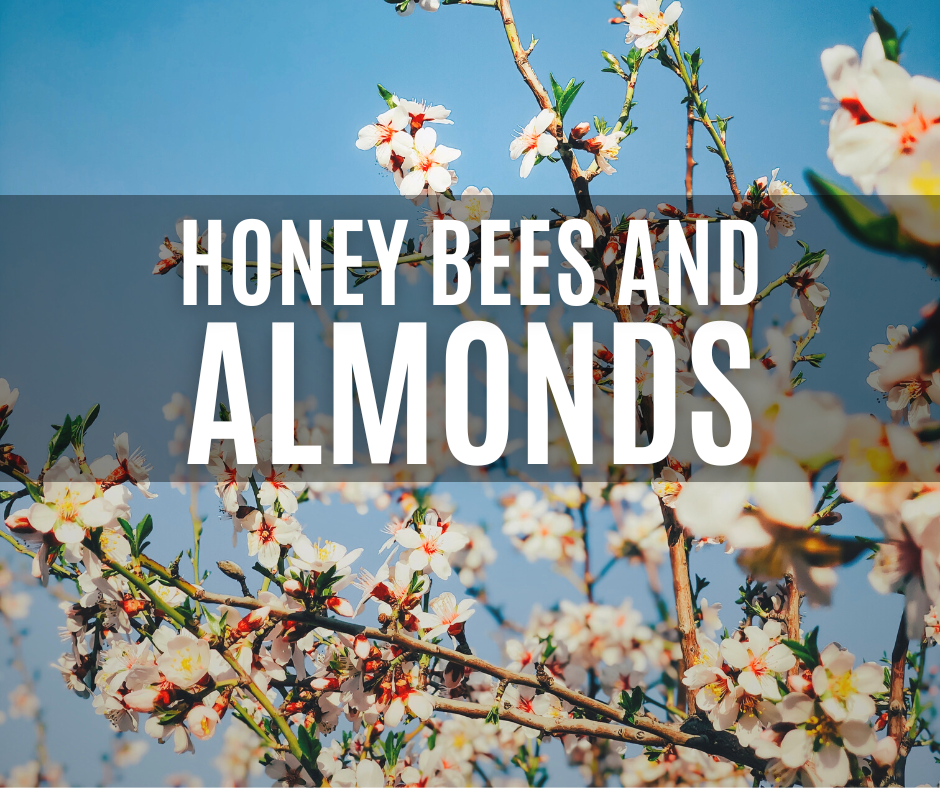
Between February and March, almond tree buds begin to bloom with white and pink blossoms. Most almond varieties need cross-pollination to produce fruit. Cross-pollination is when a small amount of pollen from another compatible variety finds its way to the stigma of the almond blossom. Although they’re not the only pollinators, honey bees are by far the most effective and manageable. Honey bees forage for pollen and nectar, and bring it back to the hive as their initial food source for the year. Going between trees allows the bees to pollinate the almond blossoms by moving pollen between the various tree varietals grown within the orchard.


How Pollination Benefits Bee Colonies
In total, about 1.5 million out-of-state beehives are needed in California each winter. Beekeepers and their hives travel from far and wide to assist. Without the bees pollinating the almond blossoms, we would not be able to enjoy eating almonds and almond products. As almonds are one of the earliest crops to flower, being involved in the almond pollination process gives beehives a healthy start to the year. Although the honey produced from almond pollen doesn’t suit our tastes, it does provide nourishment for the hive.
What Happens To The Bees After Almond Pollination?
Pollen is the bees’ source of protein, and pollen from a variety of sources is needed to feed their offspring. As local bee populations have dwindled, more and more farmers are renting bees during bloom. After almonds, beekeepers bring their honey bees to various other locations throughout the country, pollinating more than 90 other crops and making honey. The movement ensures the bees are able to gather pollen and nectar from the variety of plants needed for their wellbeing.
The Logistics Of Transporting Beehives
Approximately 400 colonies can be placed on one flatbed semi-trailer, depending on how heavy they are. With each beehive containing around 25,000 bees, that’s about 10 million bees on one truck. The bees must be healthy before, during and after their move. Out-of-state logistics are more complicated due to cross-border regulations and requirements. Before loading, bee colonies are inspected to receive disease-free certification by the state Department of Agriculture. The truck itself must also be clean and free from any insects or residue which would compromise the colonies during travel. Timing of loading and offloading is important, as is keeping the truck moving throughout the journey. A great deal of planning and coordination goes into the smooth transport of beehives.

Beekeepers Are Agriculture’s Unsung Heroes
One in three bites we eat come from pollinated crops. Migratory beekeepers, who are willing to transport their bee colonies around the country, are the heroes of our agricultural industry. The demand from large-scale crops for sufficient bee pollination is constant. In addition to dealing with the complex logistics of moving bee colonies, beekeepers must also ensure the health of their bees. Unintentional pesticide exposure, travel stress and ensuring nutritional needs are met are crucial risks and elements that the beekeeper needs to address.
Loop Logistics Corp has specialized expertise in beehive transportation.
Reach out today to speak to one of our specialists.


Add Comment